NFL Prop Bets: Player, Team and Game Odds for 2026
 Available in US
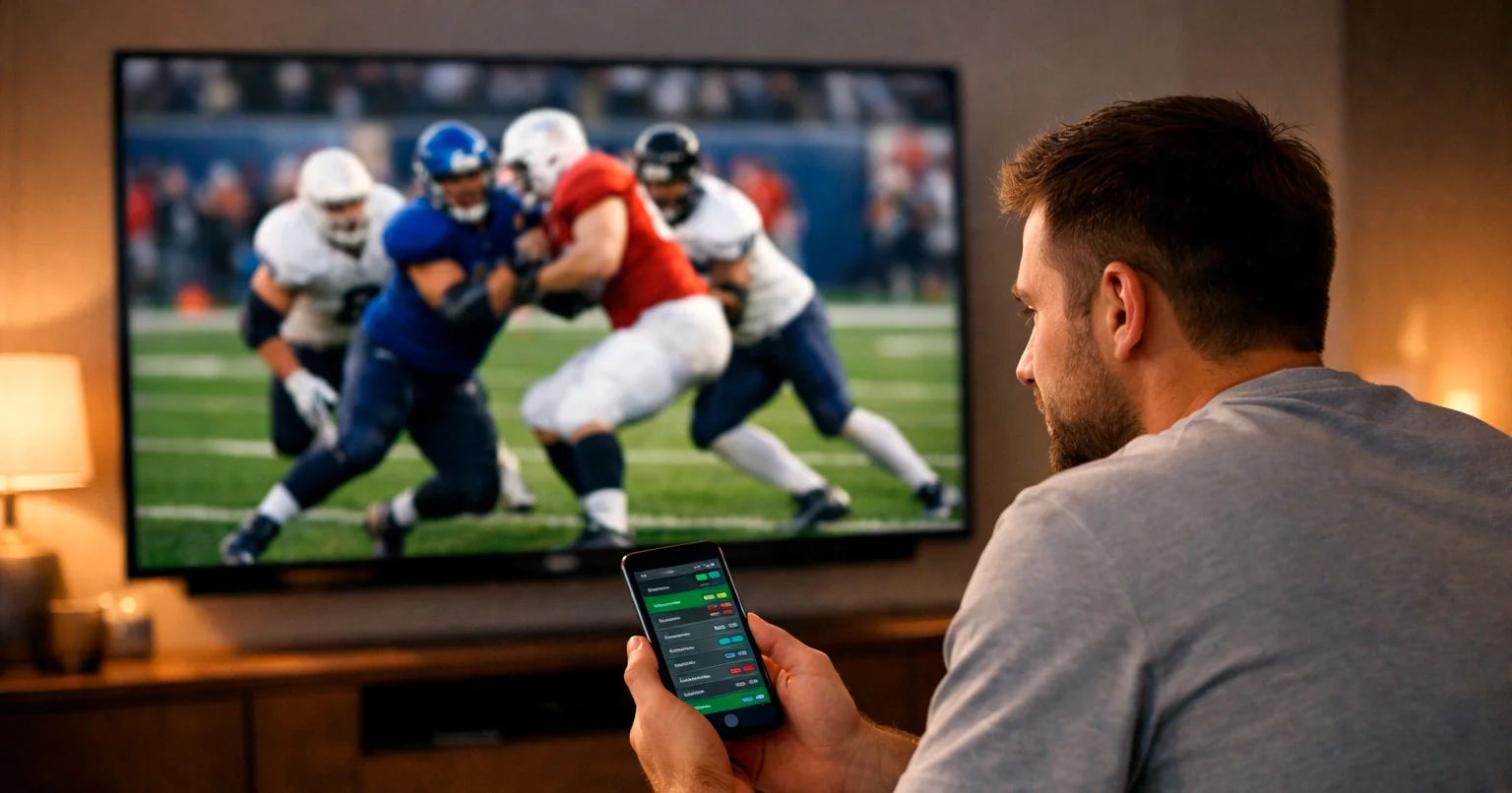
Proposition bets have transformed from a niche corner of the sportsbook into one of the most popular ways to wager on NFL games. While traditional bets focus on game outcomes—who wins, by how much, and the total score—prop bets let you zoom in on specific events within a game. Will Patrick Mahomes throw for over 285.5 yards? Will the first score be a touchdown or a field goal? These questions form the foundation of prop betting, and millions of bettors find them more engaging than picking winners.
The explosion of legal sports betting across the United States has brought prop markets into the mainstream. Sportsbooks now offer dozens of prop bets per game, covering everything from individual player performance to obscure situational outcomes. This variety creates opportunities for bettors willing to do the research that casual players skip. Understanding how prop markets work—and where value hides—separates recreational fun from potentially profitable wagering.
This guide covers the full spectrum of NFL prop betting, from player performance props that dominate the market to team and game props that offer different angles. Whether you are building same-game parlays or hunting for standalone edges, knowing how to analyze and approach prop bets will sharpen your overall NFL betting strategy.
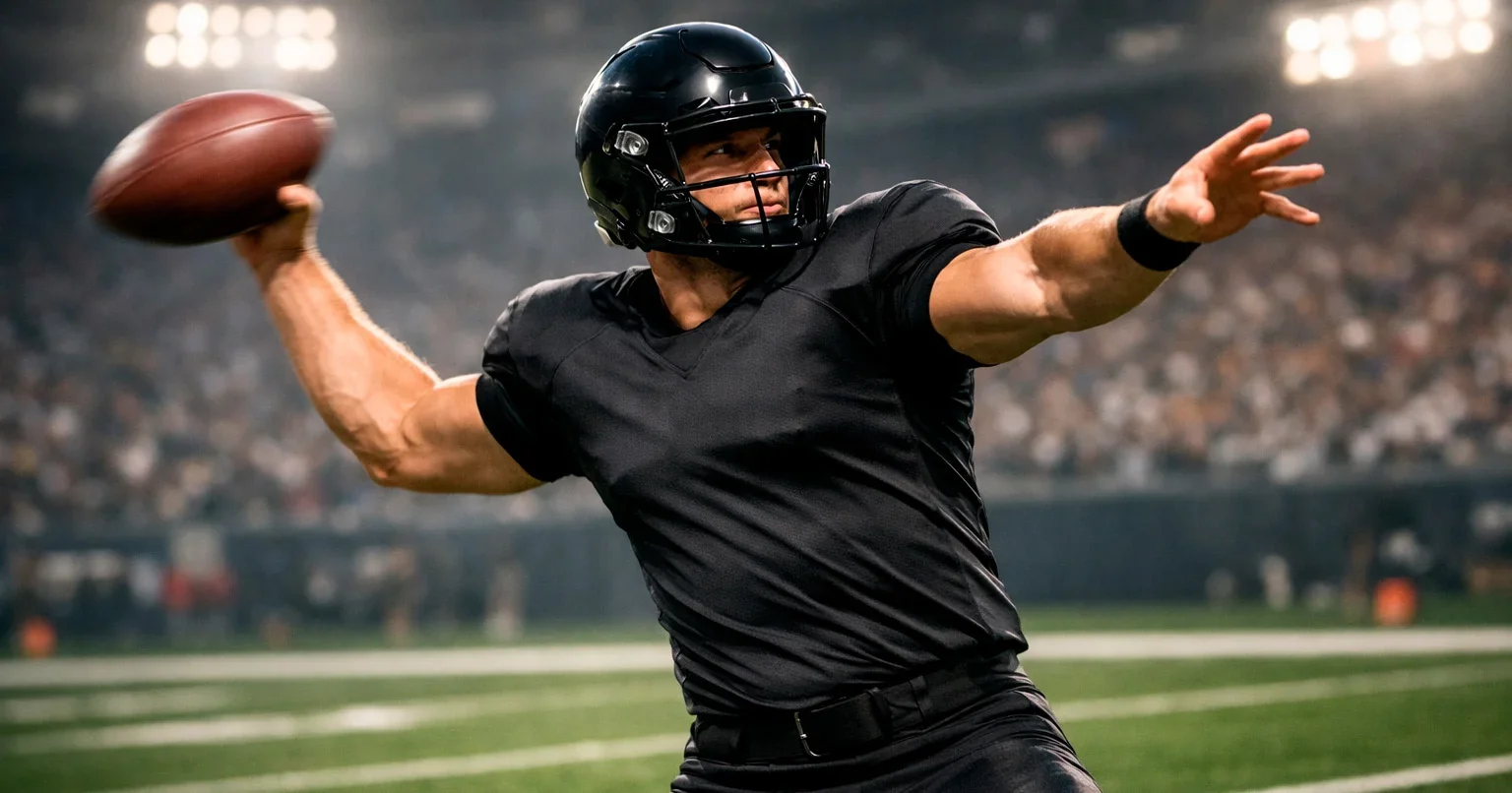
Tracking player performance in real-time opens up lucrative opportunities for in-game NFL wagering as the momentum shifts.
Profitable NFL Player and Team Prop Markets
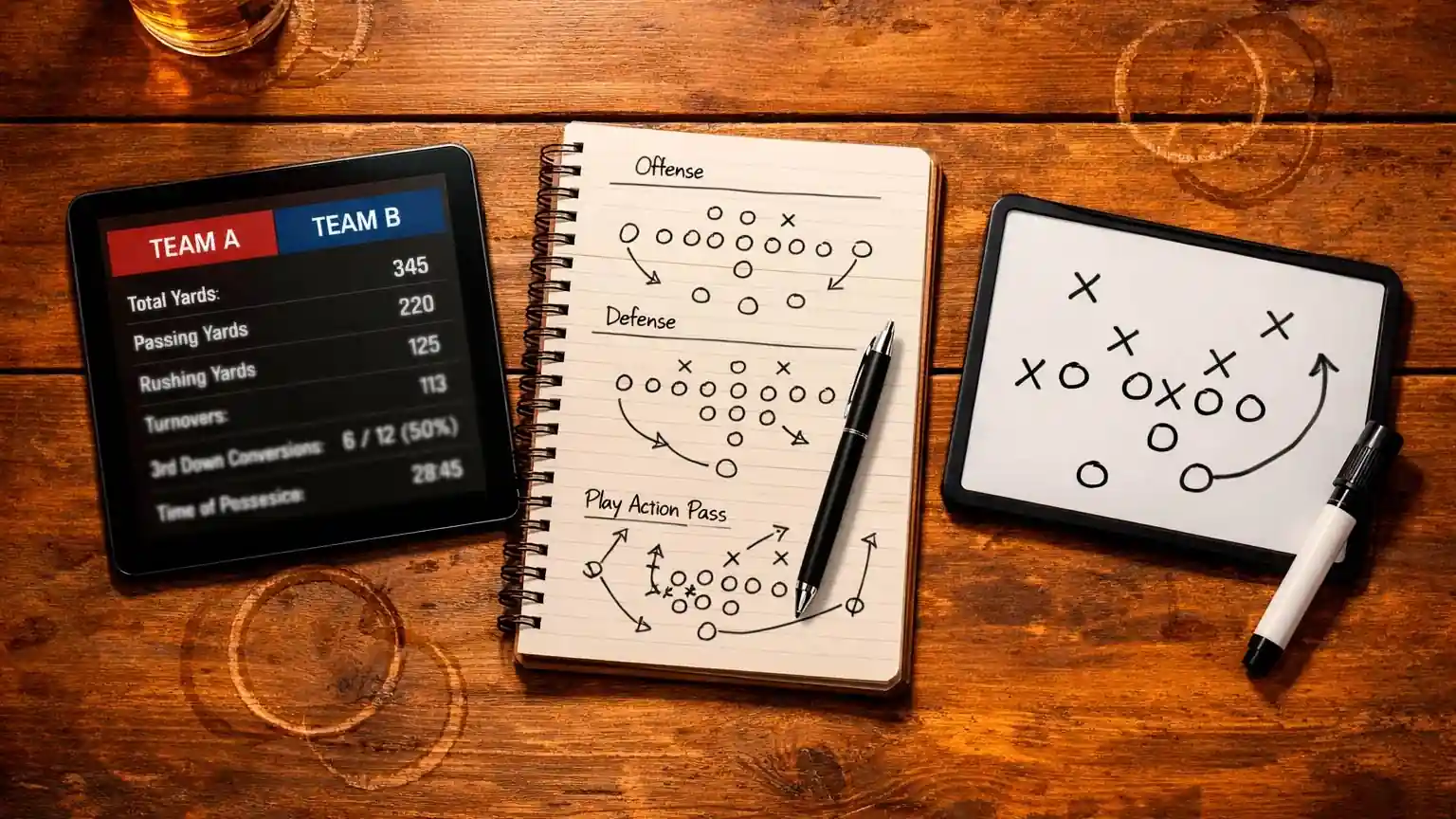
Proposition bets—props for short—are wagers on specific occurrences within a game that do not directly relate to the final outcome. Unlike point spreads or moneylines, props focus on individual performances or isolated events. The result of the game itself may have no bearing on whether your prop bet cashes.
The fundamental appeal of prop betting lies in this independence from game outcomes. You might believe the Kansas City Chiefs will lose to the Buffalo Bills but still confidently bet Travis Kelce to exceed his receiving yards total. The game’s winner becomes irrelevant; only Kelce’s statistical output matters for your bet. This separation allows for nuanced analysis that traditional game bets cannot accommodate.
Prop markets divide into three broad categories: player props, team props, and game props. Player props focus on individual statistical performances—passing yards, rushing attempts, receptions, touchdowns. Team props address collective performance metrics like total points scored by one team or which team scores first. Game props cover situational outcomes that span both teams, such as whether the game goes to overtime or the method of the first score.
Sportsbooks typically release prop lines midweek, though the exact timing varies by market and operator. Player props often adjust significantly as injury news develops and game scripts become clearer. A starting running back’s yards prop might shift dramatically if reports suggest a committee approach or unfavorable game conditions. This volatility creates opportunities for bettors tracking information closely.
The juice on prop bets tends to run higher than standard game bets. While spreads commonly sit at -110 on both sides, prop markets often feature -115 or even -120 as standard pricing. This increased vig reflects the sportsbook’s reduced confidence in their lines and the generally lower betting volume on individual props. Sharper pricing exists at some books, making line shopping just as important for props as for traditional wagers.
Understanding market dynamics helps identify where books might be vulnerable. Sportsbooks dedicate enormous resources to setting accurate point spreads for marquee games. They spend considerably less effort calibrating the receiving yards line for a team’s third wide receiver. This disparity creates potential edges for bettors who specialize in prop research rather than treating props as entertainment add-ons to their primary bets.
NFL Player Props Deep Dive
Player props constitute the largest and most popular segment of the NFL prop market. These bets focus on individual statistical achievements, allowing you to target specific matchups and situations rather than predicting overall game flow. The depth of research possible with player props exceeds what most bettors realize.
Passing Props cover quarterback performance across multiple dimensions. Passing yards represent the most heavily bet market, with lines reflecting expected game script, opponent strength, and individual quarterback tendencies. Passing touchdowns offer higher variance outcomes—a quarterback projected for 1.5 passing TDs has meaningful probability of throwing zero, one, two, or three. Completion props gained popularity recently, though they require understanding of checkdown tendencies and air yard distributions that casual research misses.
Interception props deserve special attention as contrarian plays. The public naturally gravitates toward betting overs on positive statistics—yards, touchdowns, receptions. Fewer recreational bettors want to root for turnovers, which creates potential value on interception overs when quarterbacks face aggressive pass rushes or tight coverage. The psychological reluctance to bet “against” players you watch creates subtle market inefficiencies.
Rushing Props demand analysis of volume expectations above all else. A running back’s yards line means little without understanding their projected carry count. Bettors who track snap counts, red zone usage, and game script tendencies identify situations where the public perception of a running back diverges from their actual usage pattern. A “star” back in a blowout loss might see limited second-half work; a lesser-known player in a close game could exceed expectations through sustained involvement.
Rushing attempts props offer lower variance than yardage, since carries are guaranteed touches while yards depend on blocking, defensive alignment, and individual performance. Some bettors prefer the predictability of attempt totals, especially in games with clear expected scripts. Rushing touchdown props carry extreme variance—goal line usage patterns matter enormously, and short yardage situations often go to specific personnel groupings regardless of the primary ball carrier.
Receiving Props require layered analysis of target share, defensive coverage, and game situation. Reception totals depend on target volume and catch rate—a possession receiver with high catch rates might have a lower receptions line than a deep threat with similar target expectations. Receiving yards props factor in yards per reception tendencies and big play potential. A slot receiver averaging 8 yards per catch needs more receptions to hit the same yardage total as an outside receiver averaging 14.
First touchdown scorer markets attract significant recreational action despite poor expected value. The favorite to score first in most games sits around +400 to +600, creating the illusion of a good payout, but any individual player scoring the first touchdown is genuinely unlikely. These bets function more as lottery tickets than analytical plays, though some bettors target specific red zone packages or opening drive tendencies to find edges.
Anytime touchdown scorer props offer better expected value than first touchdown markets while maintaining the excitement of betting on scores. The odds reflect the genuine probability of a player reaching the end zone at some point during the game. Target share in the red zone, rushing opportunities inside the 10, and defensive weaknesses against specific personnel all factor into accurate anytime TD analysis.
Defensive Player Props represent an underexplored market segment. Sacks, tackles, and interception props exist at most sportsbooks but attract far less betting volume than offensive statistics. This reduced attention means books invest less in accurate line setting, potentially creating value for bettors who track individual defensive performance, matchup histories, and scheme tendencies that generate pressure opportunities.
The correlation between different player props within the same game matters for parlay construction but also for identifying market inconsistencies. If a quarterback’s passing yards line seems high, their primary receiver’s yardage line should reflect that expectation. When these markets disconnect, one side or the other likely offers value.
Team Props Explained
Team props shift focus from individual performances to collective outcomes that remain independent of which team wins. These markets attract bettors who have strong opinions about one side’s offensive or defensive capabilities without wanting to commit to a point spread prediction.
Team Total Points represents the most straightforward team prop. Rather than betting the combined game total, you wager on whether one specific team exceeds or falls short of their individual scoring projection. This approach proves valuable when you have conviction about one team’s offensive output but uncertainty about their opponent. A high-powered offense facing a mediocre defense might smash their team total even if they fail to cover the spread due to their own defensive struggles.
The relationship between team totals and game totals creates arbitrage-like situations when markets misalign. If Team A’s total is set at 24.5 and Team B’s total is set at 23.5, the implied game total is 48 points. When the actual game total sits at 45.5, something does not add up—and one or more of those numbers likely offers value. Sophisticated bettors compare these lines across multiple sportsbooks to identify discrepancies.
First Team to Score props appeal to bettors who analyze opening drive tendencies. Some teams consistently script effective opening possessions; others notoriously start slow before finding rhythm. Historical data on first drive scoring by team provides a foundation, but current season trends and personnel matter more. A team with a new offensive coordinator might deviate significantly from prior patterns.
Deferred kickoff decisions factor heavily into first-to-score analysis. Teams that consistently defer when winning the coin toss give their opponents the first offensive possession—and the first scoring opportunity. Tracking these tendencies adds an analytical layer that casual bettors overlook when simply backing the team they perceive as “better.”
Team to Score Last receives less attention but offers interesting angles, particularly in games with expected close finishes. Teams trailing late get additional possessions and increased urgency. Defensive scores, while rare, create scenarios where the team that “should” score last based on possession patterns instead surrenders a pick-six or fumble return.
Margin of Victory props allow betting on specific score differentials. Rather than simply taking the favorite to cover -7, you might find value betting the favorite to win by 8-14 points at plus-money odds. These markets require assessing the distribution of likely outcomes rather than just the mean expectation. A team might be -7 favorites because outcomes cluster around both blowout wins and narrow escapes—that distribution differs dramatically from a team expected to consistently win by a touchdown.
Game Props Overview
Game props encompass outcomes that span both teams without focusing on individual performance. These markets often carry higher variance than player or team props, with some bordering on pure entertainment rather than analytical wagering.
Overtime Props attract action based on game tightness expectations. Close games more frequently reach overtime, obviously, but the actual overtime rate in the NFL sits low enough that “yes” prices on overtime must be quite high to offer value. Bettors sometimes overestimate overtime likelihood in perceived defensive struggles, forgetting that defensive games often produce unexpected scoring runs that create separation before regulation ends.
First Scoring Play Type lets you bet on whether the game’s first points come via touchdown, field goal, or safety. Historical rates favor touchdowns in the modern NFL’s offense-friendly environment, but individual matchup characteristics shift the probabilities. Two strong red zone defenses might produce early field goal attempts; two poor defenses might yield quick touchdowns. The standard pricing rarely reflects these game-specific adjustments adequately.
Halftime and Quarter Props create essentially separate betting markets within the overall game. First half spreads and totals behave similarly to full game markets but with compressed variance. Some teams historically perform better in first halves; others are notorious for second-half adjustments. Divisional games often feature tighter first halves as teams feel each other out before halftime modifications. Quarter betting introduces even more variance, with any single 15-minute segment subject to extreme scoring fluctuations.
Coin Toss and Anthem Props exist purely as entertainment markets with no analytical edge possible. The coin toss is genuinely random; anthem length depends on performer decisions impossible to predict. These props attract casual Super Bowl bettors looking for participation regardless of outcome. Serious bettors recognize these markets offer no value and avoid them entirely—the sportsbook’s edge on purely random events guarantees long-term losses.
The distinction between analytically approachable game props and entertainment-only markets matters for bankroll allocation. Overtime, scoring type, and halftime markets allow research-based decisions. Random-outcome props do not. Knowing which is which prevents wasting analytical energy—and bankroll—on unbeatable markets.
Join thousands of successful punters who rely on our expert NFL betting portal for their weekly research.
Prop Betting Strategies

Approaching props with the same rigor applied to point spreads separates profitable prop bettors from those treating these markets as casual entertainment. Several strategic frameworks consistently produce edges in prop markets.
Research-Based Analysis forms the foundation of successful prop betting. Surface-level statistics like season averages mislead more than they inform. A receiver averaging 65 yards per game might have 100-yard performances against zone coverages and 30-yard performances against man coverage. Without understanding when each situation applies, the 65-yard average provides false comfort. Digging into splits by coverage type, defensive coordinator, and game situation reveals the true expected performance range.
Matchup Analysis drives player prop edges more than raw talent evaluation. A running back facing the league’s worst run defense should see inflated expectations; the question becomes whether the line adequately reflects that matchup advantage. Sometimes books overcorrect, pushing lines so high that even favorable matchups offer poor value. Other times they undercorrect, particularly for lesser-known players whose matchup advantages fly under the radar.
Defensive coordinator tendencies influence player props in predictable ways. Coordinators who predominantly play Cover 2 create different receiving distributions than those favoring man coverage. Some schemes funnel targets to slot receivers; others allow outside receivers to feast. Tracking these schematic tendencies—and recognizing when a coordinator faces personnel mismatches—identifies prop betting opportunities that pure statistical analysis misses.
Weather and Game Script Impact require integration into every prop analysis. Wind affects passing volume and depth of target; rain reduces grip and increases short passing games. A quarterback with a 275-yard projection in perfect conditions might drop to 220-yard true expectation in 25 mph winds. Most casual bettors ignore weather until game day, creating early-week value for those checking forecasts.
Expected game flow shapes volume projections as dramatically as matchup quality. A team favored by 14 points projects to have more rushing attempts and fewer passing attempts than a team expected to trail. Running back props should reflect these script expectations; passing props should account for positive game flow limiting garbage time opportunities. When a book’s line ignores obvious game script implications, value emerges.
Line Shopping for Props proves even more critical than for spreads. Props vary more across sportsbooks because books dedicate fewer resources to accurate prop setting. Finding a receiving yards line of 62.5 at one book versus 58.5 at another—a 4-yard difference—dramatically shifts the expected value. Bettors using a single sportsbook surrender edges constantly; maintaining accounts at multiple books is mandatory for serious prop betting.
Correlation Awareness helps identify when same-game parlays offer genuine value versus false promises. Positive correlation exists when one outcome makes another more likely—a quarterback throwing for 300+ yards correlates with his receivers exceeding their yardage projections. Sportsbooks adjust SGP odds for correlation, but they sometimes miss subtle relationships that informed bettors recognize. Conversely, negatively correlated props in the same parlay compound against you more than the implied probability suggests.
Volume Versus Efficiency requires understanding which metric drives each prop market. Reception totals depend almost entirely on volume—how many targets a player receives. Yards per reception represents efficiency that varies more from game to game. Separating controllable factors (usage, targets, carries) from variable factors (yards per attempt, catch rate, defensive performance) clarifies which props offer more predictable outcomes.
Building Prop Bet Portfolios

Treating prop betting as portfolio construction rather than individual gambling decisions improves long-term results. This framework borrows from investment principles while adapting to sports betting’s unique characteristics.
Diversification across player types, games, and prop categories reduces variance without sacrificing expected value. Loading all your action on one quarterback’s props creates enormous single-game risk regardless of how strong your analysis appears. Spreading bets across multiple games and prop types smooths results over time.
Position diversification matters as well. Quarterback props behave differently than running back props; receiving props carry different variance profiles than team totals. A portfolio mixing all these categories experiences less dramatic swings than one concentrated in high-variance touchdown props.
Combining Props in Same-Game Parlays allows expressing correlated views efficiently. If you believe a game will be high-scoring with one team dominating, an SGP combining that team’s quarterback passing yards over, their top receiver’s yards over, and the team total over creates a logical thesis bet. The individual legs support each other within a coherent view of how the game will unfold.
Building SGPs requires discipline against adding uncorrelated legs simply to boost the payout. Each additional leg reduces win probability more than it increases potential return when the correlation is weak. Two or three strongly correlated legs outperform five loosely connected ones despite the lower headline odds.
Risk Management for props follows the same principles as overall sports betting bankroll management, but with additional consideration for the higher variance inherent in many prop markets. Unit sizing should account for the uncertainty in prop lines compared to heavily analyzed spreads. Starting with smaller units until you develop confidence in your prop analysis prevents early losses from derailing your entire approach.
Tracking and Analysis reveals patterns in your prop betting performance invisible without systematic record-keeping. You might discover edges in certain player types, defensive matchups, or game situations that general win-loss records obscure. Maybe you consistently profit on running back carries props but lose on receiving yards; that information shapes future bet selection.
Recording the reasoning behind each bet—not just the outcome—enables learning from both wins and losses. A prop bet that won due to a random late-game sequence might have been poorly reasoned; one that lost on bad variance might have been perfectly sound. Understanding the difference requires documentation beyond just profit and loss statements.
Conclusion

NFL prop betting rewards specialization and discipline over casual participation. The markets offer genuine analytical edges because sportsbooks invest less in accurate prop line-setting than in traditional game spreads. That inefficiency creates opportunities for bettors who research matchups deeply, track defensive tendencies, and shop lines aggressively.
Player props dominate the market for good reason—individual performances allow focused analysis that game outcomes cannot accommodate. Team and game props offer additional angles when you have conviction about scoring patterns without wanting full game exposure. Building a diversified prop portfolio, tracking results systematically, and maintaining patience through variance separates long-term profitable bettors from those contributing to sportsbook profits.
Created by the ”nfl Betting” editorial team.