Super Bowl Betting: Top Odds and Spreads
 Available in US
The Super Bowl stands alone as sports betting’s biggest single-day event. More money changes hands on this one game than on any other sporting contest worldwide—and the betting options extend far beyond simply picking a winner. From futures placed months in advance to prop bets on the national anthem’s length, the Super Bowl offers a betting menu unlike anything else in sports.
This concentration of betting interest creates a unique market environment. The sheer volume of analysis, the two-week preparation window between conference championships and kickoff, and the casual bettors flooding the market all influence how Super Bowl lines move and where value might hide. Understanding these dynamics separates bettors who approach the big game strategically from those treating it as an expensive entertainment expense.
This guide covers every dimension of Super Bowl betting—from reading the primary markets to navigating the hundreds of prop bets that sportsbooks release. Whether you have held a futures ticket since August or plan to place your first Super Bowl bet during the pregame show, the frameworks here will sharpen your approach to football’s ultimate betting event.
To maximize your returns during the championship game, it is essential to understand how NFL prop bets work and where to find the best value.
Super Bowl Betting Odds and Moneylines Explained
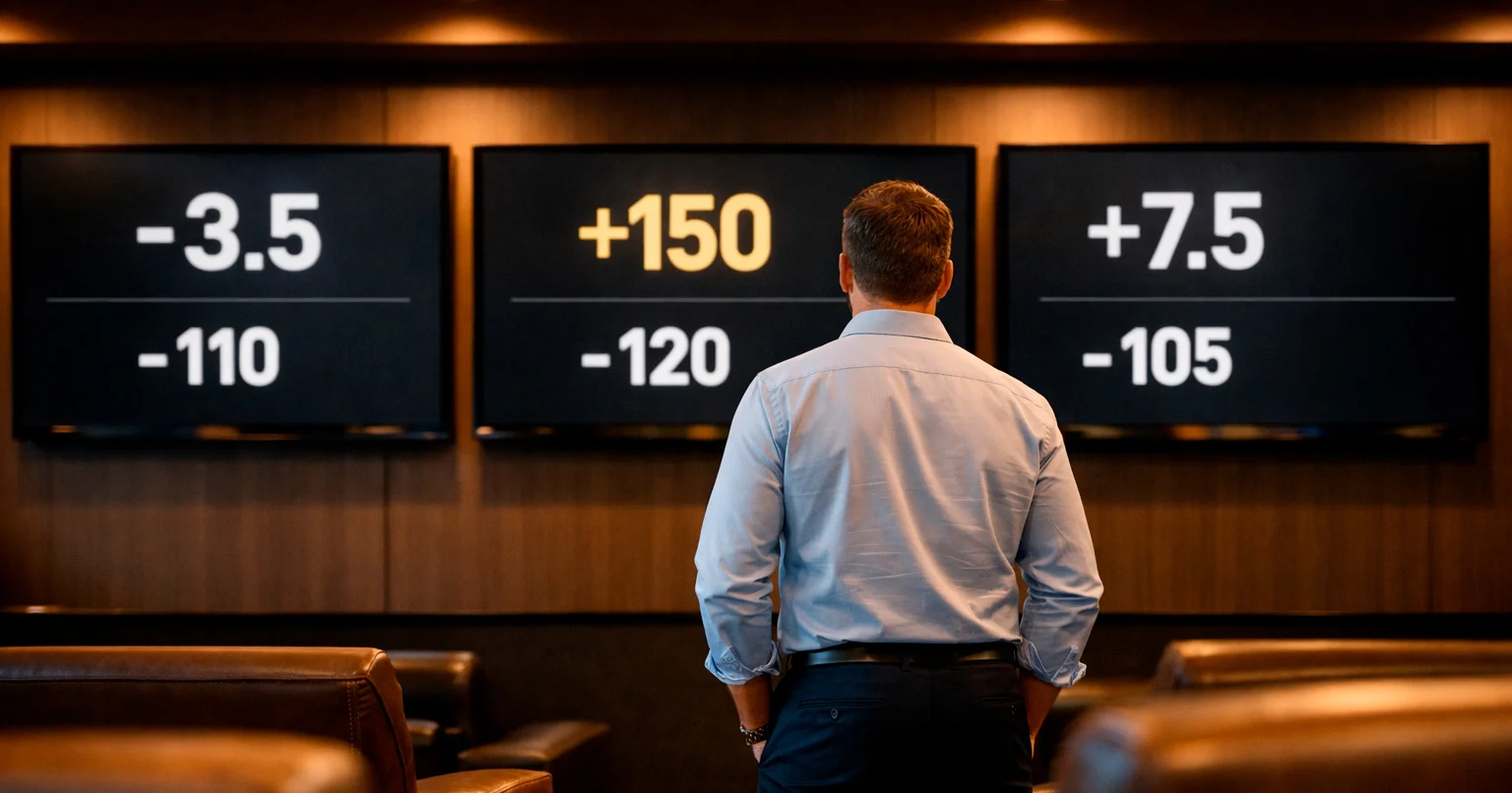
Super Bowl odds operate similarly to regular season games in structure but differ substantially in market dynamics. The two-week gap between the conference championship games and the Super Bowl creates an extended period where lines absorb information, sharp money, and public sentiment in ways that single-week NFL betting does not experience.
Point Spread Dynamics in the Super Bowl reflect the market’s assessment of which team should win and by how much. Opening lines typically appear within hours of the conference championships ending, reflecting oddsmakers’ initial power ratings adjusted for the specific matchup. These opening numbers then move throughout the two weeks as betting action, injury news, and analytical content shape market sentiment.
The extended betting window means Super Bowl spreads often move more than regular season lines. A spread that opens at -3 might close at -1.5 or -4.5 depending on how money flows. Sharp bettors who identify value early can capture numbers that disappear within days; those waiting until game day accept whatever the market has settled on after two weeks of price discovery. Neither approach is inherently superior—early bettors sacrifice information for better numbers, while late bettors sacrifice numbers for maximum information.
Line movement tells a story worth reading. If a spread opens at -2.5 and moves to -3.5 despite public betting percentages favoring the underdog, professional money has likely identified value on the favorite. Reverse line movement in Super Bowl betting carries the same implications as during the regular season, but the higher stakes and increased scrutiny mean even subtle moves attract attention.
Moneyline Considerations matter more in Super Bowls than typical regular season games because the matchups often feature closely matched teams. Conference champions have survived playoff gauntlets; genuine mismatches rarely reach the Super Bowl. This competitive balance means moneyline odds frequently sit in the -130 to -170 range for favorites rather than the -300 or steeper prices seen in regular season blowout projections.
The relatively modest moneyline prices create opportunities for bettors who prefer straight-up winner picks over spread betting. Risking -150 to pick the winner feels more palatable than regular season moneylines on heavy favorites, and the single-game nature of the Super Bowl makes the moneyline’s simplicity appealing to many bettors.
Totals Analysis requires accounting for the unique circumstances of Super Bowl games. Historically, Super Bowls have trended slightly lower-scoring than regular season games between comparable opponents, though this pattern has weakened in recent years. The two-week preparation window gives defensive coordinators extra time to scheme against specific offensive tendencies, potentially suppressing scoring. Conversely, the biggest game of players’ careers can produce either tight, conservative play or explosive performances fueled by adrenaline.
Weather rarely factors into Super Bowl totals since the game rotates between warm-weather cities and domed stadiums. This controlled environment removes the variable that most dramatically affects regular season totals, making Super Bowl totals more about matchup analysis and less about environmental factors.
The market efficiency of Super Bowl totals exceeds regular season games. So many analysts, sharp bettors, and recreational money focus on this single total that finding genuine value becomes extremely difficult. The number you see has survived two weeks of scrutiny from the entire betting market. This does not mean value cannot exist—it means your analysis must identify something the collective market has missed, which is a high bar to clear.
Super Bowl Futures Betting

Futures betting allows wagering on Super Bowl outcomes months before the game occurs. These long-term positions offer potentially massive payouts but require capital to sit locked for extended periods while navigating an entire season of variance. Understanding when and how to bet futures separates strategic long-term bettors from those making hopeful guesses in August.
Optimal Timing for Super Bowl futures depends on your information advantage and risk tolerance. Preseason futures offer the highest potential payouts—a team that opens at +2500 might close at +300 if they reach the Super Bowl as expected. However, preseason betting requires projecting roster health, scheme development, and competitive dynamics across four months of football. The information available in August is genuinely limited compared to what emerges by December.
Early-season futures capture value after a few weeks reveal which preseason projections were accurate. A team that looked questionable in August but dominates September might still offer plus-money odds that undervalue their demonstrated capability. Conversely, a preseason favorite struggling early might see their odds lengthen beyond fair value as casual bettors overreact to small samples.
Midseason represents a sweet spot for many futures bettors. By Week 10 or 12, roster health is clearer, team identities are established, and playoff pictures are taking shape. The odds have adjusted from preseason prices but still offer meaningful value compared to the compressed odds available once playoffs begin. Bettors who track futures prices throughout the season can identify when specific teams become mispriced relative to updated expectations.
Conference Winner Futures provide an alternative to outright Super Bowl futures. Betting a team to win their conference requires only reaching and winning the conference championship rather than winning the Super Bowl itself. These bets offer lower payouts but higher probability—your team needs to survive three or four playoff games rather than four or five. For bettors confident in a team’s ability to emerge from their conference but uncertain about the Super Bowl matchup, conference futures offer better risk-adjusted value.
The relationship between conference futures and Super Bowl futures creates occasional arbitrage-like opportunities. If a team’s conference winner odds imply a higher Super Bowl probability than their actual Super Bowl futures suggest, one of those prices is wrong. Tracking these relationships across multiple sportsbooks reveals market inefficiencies that sharp futures bettors exploit.
Hedging Futures Positions becomes relevant as your team advances through the playoffs. A +2000 futures ticket placed in August becomes increasingly valuable with each playoff win. Rather than riding the full amount to the Super Bowl, many bettors lock in profit by betting against their futures position as odds compress. If your team reaches the Super Bowl as a +150 underdog, you can guarantee profit regardless of outcome through appropriate hedge sizing.
The decision to hedge involves comparing guaranteed returns against potential maximum payouts. Letting the futures ride maximizes upside if your team wins; hedging sacrifices upside for certainty. Neither approach is universally correct—the optimal choice depends on the stake size relative to your bankroll, your confidence in the Super Bowl matchup, and your emotional tolerance for watching a profitable position potentially evaporate.
Super Bowl Prop Bets
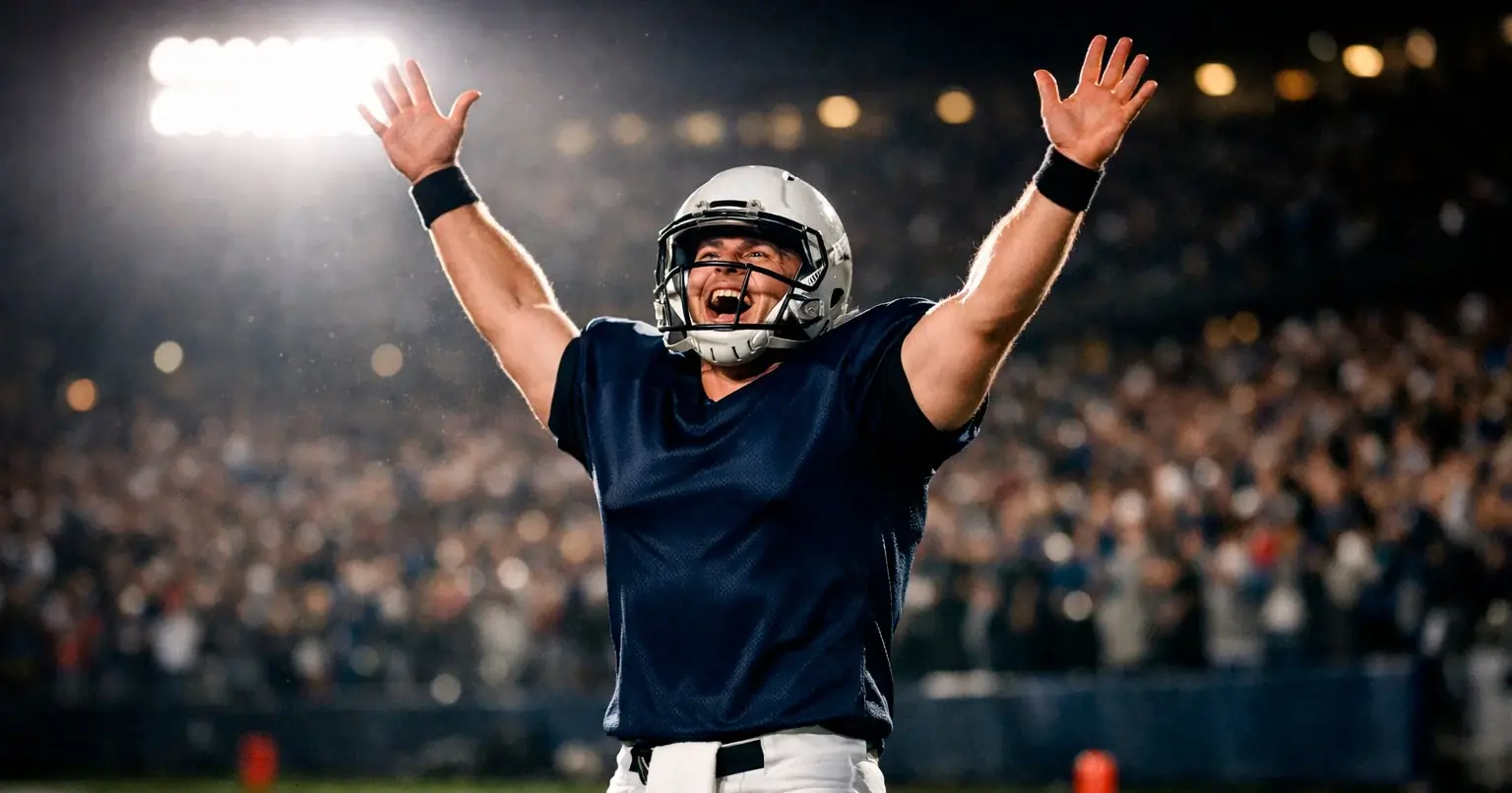
The Super Bowl prop market dwarfs anything available during the regular season. Sportsbooks release hundreds of proposition bets covering player performances, team outcomes, game events, and entertainment elements surrounding the broadcast. This variety creates both opportunity and overwhelm for bettors navigating the prop landscape.
Player Performance Props form the core of serious Super Bowl prop betting. Quarterback passing yards, rushing yards for feature backs, receiving totals for primary targets—these markets operate similarly to regular season props but with enhanced scrutiny and tighter lines. The two-week buildup means every analyst has published their projections; finding genuine edges requires analysis that goes beyond consensus expectations.
Super Bowl player props often feature inflated lines reflecting the assumption that stars will perform at their best on the biggest stage. This “big game premium” can create value on unders when analytical projections suggest more modest outputs. Conversely, role players receiving less attention might have lines that underestimate their potential involvement if game scripts develop favorably.
The Anytime Touchdown Scorer market attracts massive Super Bowl betting interest. Casual bettors love the action of rooting for specific players to reach the end zone, and the potential payouts on non-obvious scorers appeal to lottery-ticket mentalities. Sharp bettors approach this market by analyzing red zone usage patterns, goal-line personnel groupings, and defensive vulnerabilities against specific player types.
First touchdown scorer props offer longer odds but dramatically lower probability than anytime scorer bets. Any individual player scoring the game’s first touchdown is genuinely unlikely—the favorite in most Super Bowls sits around +600 to +900. These bets function as entertainment rather than analytical plays for most bettors, though targeting specific opening drive tendencies can provide modest edges.
Team Props address collective outcomes independent of the final score. Team totals let you bet on one side’s scoring without concerning yourself with the opponent. First team to score, team to score last, and margin of victory props offer alternative expressions of team-level views. These markets attract less attention than player props, potentially creating value for bettors who analyze team tendencies rather than individual performances.
Defensive and special teams touchdown props deserve consideration in matchups featuring opportunistic defenses or dynamic return specialists. The odds on any defensive or special teams score typically range from +200 to +400, reflecting the genuine uncertainty around these relatively rare events. Historical Super Bowl data shows these scores occur more frequently than regular season base rates might suggest, though sample size limitations make definitive conclusions difficult.
Game Props cover situational outcomes spanning both teams. Will there be overtime? Will there be a safety? What will the first scoring play be? These markets often feature poor expected value due to the inherent unpredictability of specific game events, but certain situations—matchups featuring particular red zone struggles or explosive special teams units—shift probabilities enough to warrant selective betting.
Entertainment and Novelty Props represent the Super Bowl’s unique prop landscape. National anthem length, coin toss result, Gatorade color poured on the winning coach—these bets have no analytical foundation whatsoever. The coin toss is genuinely random; anthem length depends on performer choices impossible to predict. Sharp bettors avoid these markets entirely, recognizing them as pure entertainment expenses rather than betting opportunities.
Super Bowl MVP betting combines player prop analysis with game outcome projection. The MVP almost always comes from the winning team, and certain positions—particularly quarterback—dominate MVP selections historically. Betting MVP requires both picking the winning team and identifying which player will receive credit for that victory. The compounded uncertainty makes MVP props challenging, but analyzing historical voting patterns against specific game scenarios can reveal occasional value.
Super Bowl Betting Strategies
The unique characteristics of Super Bowl betting—the extended preparation window, the market efficiency created by concentrated attention, and the emotional intensity surrounding the event—demand strategic approaches tailored to this specific context.
The Two-Week Preparation Window fundamentally shapes Super Bowl betting strategy. Unlike regular season games where lines release Sunday night for the following week, Super Bowl lines sit available for fourteen days. This extended period allows more thorough analysis but also means any insight you develop has likely occurred to others. Original analysis matters more than ever because surface-level observations have already been priced into the market.
Using the two weeks productively means going deeper than typical game preparation. Study the specific matchups within the game—how will this offensive line handle that defensive front? Which receiver has the coverage advantage against which cornerback? How do the coaches’ tendencies align or conflict with optimal strategy for this matchup? The bettors who invest genuine analytical effort during the preparation window position themselves to identify value that casual Super Bowl bettors miss.
Injury Monitoring takes on heightened importance during Super Bowl preparation. The extended timeline means injury situations can evolve significantly between the conference championships and kickoff. A player listed as questionable initially might be ruled out by game day, or a player who seemed certain to miss might return. Lines adjust as injury news develops, creating opportunities for bettors tracking information closely.
The Super Bowl’s significance means players push through injuries they might sit out during the regular season. Evaluating how injuries affect performance—not just availability—becomes crucial. A quarterback playing through a hand injury will take the field but might not throw with typical accuracy. A running back with a nagging hamstring issue might be available but limited in explosive play potential. Lines often do not fully account for these diminished performance levels.
Historical Trend Analysis provides context without guaranteeing future outcomes. Certain patterns have emerged across Super Bowl history—underdogs cover more frequently than regular season base rates, favorites with elite defenses tend to control games, late-season momentum carries over more reliably than early-season form. These trends should inform analysis rather than dictate bets; each Super Bowl presents unique circumstances that may override historical patterns.
The danger of historical analysis lies in over-fitting small samples. With fewer than sixty Super Bowls in history, drawing statistically significant conclusions about specific situations is difficult. A trend showing “teams from the NFC West are 4-1 ATS in Super Bowls since 2010” might reflect genuine conference strength or random variance in a tiny sample. Use historical data as one input among many rather than a definitive guide.
Contrarian Approaches deserve consideration given the Super Bowl’s unique betting population. Casual bettors flood the market during Super Bowl week, often backing popular teams, overs, and high-profile players in prop markets. This public money can push lines beyond fair value, creating opportunities for bettors willing to take positions against the crowd. If 75% of public bets favor one side but the line moves the opposite direction, sharp money has identified contrarian value.
The contrarian approach requires distinguishing between situations where public money has distorted lines and situations where public sentiment correctly identifies the likely outcome. Not every popular Super Bowl position is wrong; sometimes the public accurately assesses which team is superior. Effective contrarian betting combines public betting data with your own analysis rather than blindly fading the crowd.
Weather and Venue Analysis rarely matters for modern Super Bowls but should be verified rather than assumed. The game rotates between warm-weather cities and domed stadiums, effectively removing weather as a variable in most years. However, verifying conditions before dismissing this factor prevents overlooking the occasional open-air venue in a northern city where weather could genuinely influence outcomes.
For the latest odds and comprehensive analysis, always check our top NFL betting guide before placing your wagers.
Building a Super Bowl Betting Plan

Approaching the Super Bowl with a structured betting plan prevents the impulsive decisions that the event’s excitement encourages. A predetermined framework for allocating your bankroll across bet types maintains discipline when hundreds of betting options compete for your attention.
Budget Allocation should begin with defining the total amount you are willing to risk on Super Bowl betting. This figure should represent a comfortable loss—entertainment spending rather than essential funds. Once established, allocating this budget across primary bets and prop bets creates structure that prevents chasing losses or oversizing positions that feel particularly confident.
A reasonable framework might allocate 60-70% of your Super Bowl budget to primary markets—spread, moneyline, or total bets that represent your core view of the game. The remaining 30-40% goes to prop bets that align with your game thesis. This structure ensures your primary positions receive appropriate sizing while still allowing engagement with the prop markets that make Super Bowl betting unique.
Diversifying Bet Types rather than concentrating on a single market reduces variance while maintaining engagement throughout the game. A bettor whose entire Super Bowl action is on the spread experiences the game through a narrow lens—either they are covering or they are not. Spreading action across spread, player props, and team props creates multiple outcomes to track, sustaining interest regardless of how the primary market unfolds.
Diversification should follow logical connections rather than random selection. If you believe the game will be low-scoring, your diversified portfolio might include the total under, both quarterback passing yards unders, and a defensive or special teams touchdown prop. These positions reinforce each other within a coherent game thesis rather than hedging against your own analysis.
Timing Your Wagers throughout the two-week window optimizes execution. Primary market bets—spread and total—often benefit from either early betting to capture opening value or late betting to incorporate maximum information. Your choice depends on whether you believe sharp early action will move lines favorably or whether late-breaking news will create opportunities.
Prop bets frequently offer better value early in the betting window. Sportsbooks release prop lines quickly after the conference championships, sometimes before thorough analysis has shaped fair prices. Bettors who analyze props immediately and bet early can capture numbers that tighten significantly as the market matures. Waiting until game day for props often means accepting worse numbers after sharp action has moved lines to more efficient levels.
Responsible Gambling During Major Events requires heightened awareness because the Super Bowl’s atmosphere encourages excess. Setting loss limits before the day begins, avoiding alcohol while actively betting, and refusing to chase losses with additional deposits all protect against the impulsive decisions that major events encourage. The Super Bowl should be enjoyable regardless of betting outcomes; ensuring that remains true requires maintaining discipline that the excitement can erode.
Historical Super Bowl Betting Data

Historical performance provides context for Super Bowl betting decisions while reminding bettors that past patterns do not guarantee future outcomes. Several trends have emerged across decades of Super Bowl history that inform analytical frameworks.
Against the Spread Performance shows underdogs covering at rates exceeding regular season norms. Over the game’s history, Super Bowl underdogs have covered approximately 52-53% of the time—a modest edge but one that compounds the inherent uncertainty of single-game betting. This pattern likely reflects the competitive balance of teams that survive playoff gauntlets and reach the championship game; true mismatches rarely occur at this level.
The margin matters in historical ATS analysis. Small underdogs—teams getting 3.5 points or fewer—have covered more reliably than large underdogs. This pattern makes intuitive sense: closely matched teams frequently produce one-score games that fall either way against tight spreads. Large underdogs face the challenge of staying competitive against genuinely superior opponents, which occurs less frequently.
Over/Under Trends have shifted throughout Super Bowl history. Early Super Bowls often went under, reflecting defensive-oriented football and conservative championship game strategies. Recent Super Bowls have seen more overs as offensive innovation has transformed the NFL. The totals market has adjusted to this reality, making historical over/under rates less predictive than they might seem.
Largest Upsets and Blowouts remind bettors that variance exists even in the most analyzed game of the year. Super Bowl XLII saw the New York Giants defeat the undefeated New England Patriots as 12-point underdogs. Multiple Super Bowls have produced 20+ point margins that buried spread bettors who expected competitive games. These outliers demonstrate that no analysis eliminates the uncertainty inherent in single-game betting.
Conclusion
Super Bowl betting rewards preparation, discipline, and realistic expectations about market efficiency. The concentrated attention this single game receives means finding genuine value requires analysis deeper than casual observation—the obvious insights have already been priced into lines that have survived two weeks of scrutiny.
Futures bettors who positioned themselves months ago face hedging decisions as the game approaches. Prop bettors must navigate hundreds of options to find the handful worth serious consideration. Spread bettors must determine whether their analysis reveals something the efficient market has missed.
Build your Super Bowl betting plan before the excitement of game week clouds your judgment. Define your budget, allocate across bet types, and maintain the discipline to execute your strategy regardless of how confident you feel about additional positions. The goal is enjoying the biggest betting day of the year while protecting yourself from decisions you would not make under calmer circumstances.
Published by the nfl Betting team.